

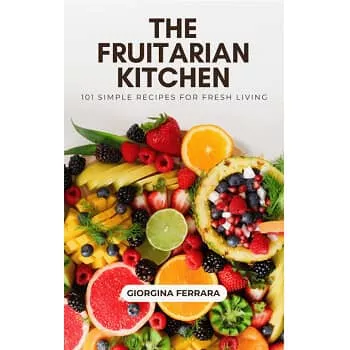
If you’ve been searching for a simple, joyful way to reset your diet without complicated meal plans or calorie counting, The Fruitarian Kitchen: 101 Simple Recipes for Fresh Living promises a bright, bite-sized transformation. I spent time reading through the program’s concept, structure and the benefits it promises and in this review I’ll break down who this book is for, what’s inside, the real-life benefits you can expect and whether it’s a smart buy for someone serious about healthier, easier eating.
Table of Contents
Quick take — why readers are clicking “Buy”
The Fruitarian Kitchen is built around a single, appealing idea: fruit-first meals that are raw, fast and uplifting. For busy people who want high-energy, low-effort food that still looks and tastes gourmet, this book delivers a tidy collection of 101 fruit-based recipes plus two practical bonuses: a 7-Day Fruitarian Kickstart Plan and a QuickStart Fruit Pairing Guide. If you’re attracted to bright, whole-food eating that feels indulgent rather than restrictive, this guide is a compelling option.
What is The Fruitarian Kitchen?
At its core, The Fruitarian Kitchen is a recipe-driven guide focused on fruit as the hero ingredient. The material emphasizes:
- 100% fruit-based (mostly raw) recipes
- Simple, quick preparation — minimal equipment
- Vegan, grain-free, gluten-free, dairy-free, oil-free
- Aesthetic, family-friendly dishes that are portable and kid-approved
This isn’t a dry nutrition manual or a rigid diet plan — it’s a practical cookbook and lifestyle guide designed for people who want to feel lighter, clearer and more energized with minimal fuss.
Who should consider buying this book?
This guide is best for:
- People seeking a gentle detox/reset without extreme restrictions.
- Busy professionals and parents who want fast, grab-and-go meals.
- Anyone who loves fruit and wants creative ways to use it beyond a bowl or smoothie.
- Readers who prefer plant-based, raw or whole-food diets.
- Those curious about fruitarian-style eating but looking for an accessible starting point.
If you’re managing complex dietary restrictions that require clinical supervision or you need a high-protein, bodybuilder-style plan, this book isn’t targeted at that niche. But for most people aiming to improve energy, digestion and food satisfaction, it’s very approachable.
What’s inside — a closer look at the content
The book markets itself as a no-fuss collection of 101 recipes covering:
- Breakfasts & smoothie bowls — layered, nutrient-dense starts to the day that are quick to prepare.
- Tropical stacks & breakfasts — visually striking fruit plates and stacked creations.
- Lunches & raw dinners — filling combinations that focus on fruit textures and natural sweetness.
- Desserts — indulgent, fruit-forward treats that feel like a reward, not a compromise.
- Simple sauces & dips — fruit-based dressings and condiments to elevate dishes.
- Quick snack ideas — portable, family-approved options for busy days.
Bonuses included (when you download now):
- 7-Day Fruitarian Kickstart Plan — a week of meal-ready recipes to get you started immediately.
- QuickStart Fruit Pairing Guide — printable cheat sheet to help you combine fruits for digestion, flavor and energy.
These additions make the product practical: you’re not left staring at a list of recipes — you get a short plan and pairing tools that accelerate results and reduce decision fatigue.
Benefits you can realistically expect
The book promises a range of outcomes and here’s how those typically translate in real life:
- Higher daytime energy: Fruit is hydrating and easy to digest; many people notice less afternoon slump when they switch to lighter, more water-rich meals.
- Simpler digestion: Raw fruit meals can reduce bloating for people sensitive to heavy oils, dairy or processed foods.
- Clearer, glowing skin: A diet higher in whole fruits and hydration often shows on the skin — though individual results vary.
- Less cravings: When meals are nutrient-dense and satisfying, cravings can reduce naturally.
- Effortless meal prep: If you prefer “assemble, don’t cook,” this book’s recipes are ideal.
These are achievable benefits for most people who follow the plan sensibly and pair it with good sleep and hydration.
What I liked (and what stands out)
- Simplicity without sacrificing flavor. The recipes are intentionally easy yet look gourmet — great for sharing or photographing.
- Accessibility. No exotic ingredients or special appliances are needed; most recipes use widely available fruits.
- Bonus practical tools. The 7-day plan and pairing guide remove the guesswork and make the diet immediately actionable.
- Family-friendly. The focus on sweet, colorful dishes makes it easier to get kids and non-fruitarians on board.
Possible drawbacks to consider
- Lower in protein. Fruit-based meals are naturally lower in protein and fat. If you need higher protein for training or medical reasons, you’ll need to plan additional sources.
- Not a one-size-fits-all diet. People with certain medical conditions (e.g., blood sugar concerns) should consult a professional before making major dietary changes.
- Adjustment period. Switching to mostly raw fruit can initially cause digestive changes for some; ease in gradually.
These points don’t disqualify the book — they just help you set realistic expectations and adapt the plan to your needs.
How it compares to other healthy-eating books
Most clean-eating books still rely on cooked grains, oils and long recipes. The Fruitarian Kitchen differentiates itself by being:
- Faster — most recipes are grab-and-go.
- Visually striking — built to be shared on social feeds.
- Narrower in scope — focused on fruit-first eating so recipes are tighter and consistent.
If your goal is a reset that’s enjoyable and visually appealing, this book often feels more doable than programs that demand time, gear or complicated meal prep.
Real-world tips for getting the most from the book
- Use the 7-Day Kickstart as a gradual experiment: try the plan for a week and note how your energy, digestion and mood change.
- Keep a small notebook to track meals that leave you feeling best — fruit pairing matters.
- Treat it as a foundation: use fruit-centric days interspersed with your regular balanced meals for long-term sustainability.
(These are practical suggestions to help you execute the book’s content—no complicated strategies required.)
Final verdict — should you buy The Fruitarian Kitchen?
If you want a joyful, low-effort, fruit-forward reset that’s easy to follow and visually delightful, The Fruitarian Kitchen is a smart buy. The 101 recipes plus the 7-day plan and fruit pairing guide deliver both inspiration and structure — a combination that often converts curiosity into lasting change.
For the price of a single takeout meal, you get a library of refreshingly simple ideas that can overhaul how you feel at mealtimes. Whether you’re new to plant-based eating or a long-time fruit lover, this guide is designed to make healthier choices feel effortless and delicious.
Where to start
If the concept resonates, download the book and start with the Kickstart Plan. The initial momentum you gain in one week often makes continuing the new habits straightforward — and you’ll quickly find favorite recipes to keep on rotation.
Bottom line
The Fruitarian Kitchen: 101 Simple Recipes for Fresh Living is a friendly, practical and attractive guide for anyone who wants to eat more fruit and feel better doing it. With minimal gear, simple instructions and real bonuses that remove guesswork, it’s a tempting, low-risk investment in your day-to-day energy, digestion and enjoyment of food.
Ready to try a brighter, simpler way to eat? Consider giving The Fruitarian Kitchen a go — your next meal might just be the beginning of a lighter, more energized you.