

If you’ve tried every diet, bought every workout program and still feel stuck with low energy or stubborn fat, The Book On Heat may feel like a welcome breath of fresh — and warm — air. Brad Pilon, best known for Eat Stop Eat, has turned his research lens to a surprisingly powerful and underappreciated factor in health: temperature. This review breaks down what the book promises, who it’s for, what you’ll learn and why heat-based strategies could accelerate weight loss, boost energy and support long-term well-being.
Table of Contents
What is The Book On Heat?
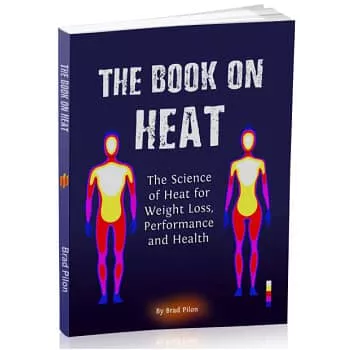
At its core, The Book On Heat: The Science of Heat For Weight Loss, Performance And Health collects decades of scientific research on how temperature affects the human body — and then translates that research into practical steps you can use immediately. Pilon doesn’t ask you to overhaul your life or give up your favorite foods. Instead, he highlights how manipulating heat and cold exposures and understanding how your body responds to temperature, can be a powerful lever for metabolism, inflammation, hormones and even aging.
Why temperature matters (and why most programs miss it)
Most health plans focus on calories, macros or sweat-it-out cardio. Temperature rarely gets a seat at the table — despite more than 70 years of research showing clear links between heat, metabolism and cellular health. The Book On Heat argues that small, consistent adjustments to your thermal environment — saunas, targeted cold exposure, hot meals or even understanding ambient temperature — can:
- Boost metabolic rate and fat-burning pathways
- Reduce inflammation and improve digestion
- Improve hormonal signals that control hunger and cravings
- Enhance recovery, muscle growth and exercise performance
- Support longevity-related cellular processes
If you’re tired of “eat less, move more” advice that either doesn’t work long-term or leaves you exhausted, the idea of using temperature as a tool is refreshing and compelling.
Who should read this book?
The Book On Heat is written for a broad audience. It’s especially useful if you’re:
- Frustrated with conventional diet plans and want a fresh, science-backed angle.
- A fitness enthusiast looking for performance and recovery gains.
- Someone who struggles with energy, inflammation or slow progress despite effort.
- A busy person who wants impactful, low-effort strategies that integrate into daily life.
- A health practitioner or coach seeking evidence-based additions to their toolkit.
Pilon’s writing is accessible, so you don’t need a science degree to benefit. And because the strategies don’t require daily hardcore workouts or extreme diets, people who can’t or don’t want to exercise intensely will find realistic, useful options.
What you’ll learn — practical takeaways
Pilon distills decades of research into a straightforward playbook. Expect actionable chapters that teach you how to:
- Use saunas, hot baths and heat therapy safely to trigger beneficial stress responses.
- Implement cold exposure techniques to activate brown fat and increase calorie burn.
- Optimize meal timing and food temperature to support digestion and satiety.
- Adjust ambient temperatures in your home and bedroom to improve sleep, recovery and metabolic health.
- Combine heat and cold strategically to amplify muscle growth, recovery and hormone balance.
- Apply simple, evidence-backed protocols that don’t interfere with life’s pleasures — yes, you can still enjoy your favorite foods.
These aren’t abstract theories. Pilon translates lab findings into clear protocols — how long to stay in a sauna, safe cold exposure times and how to make these practices work with your existing routine.
Science-backed but written for real life
One of the strongest selling points of The Book On Heat is the blend of science and practicality. Pilon builds on more than 70 years of research, but he doesn’t bury you in jargon. Each recommendation is paired with clear explanations and realistic steps for implementation. That balance makes it easy to test one or two changes immediately and measure results — more energy, better workouts, improved digestion or steady weight loss — without reinventing your entire lifestyle.
Pros and cons
Pros:
- Fresh, underexplored approach to weight loss and health.
- Evidence-based: draws on long-term scientific research.
- Practical, low-effort strategies that fit into real life.
- Helps with multiple goals simultaneously: fat loss, energy, recovery, aging.
- Written by Brad Pilon, a trusted voice in the diet and health space.
Cons:
- Heat and cold exposure aren’t one-size-fits-all — individual tolerance varies.
- Results may be gradual; heat optimization complements — but doesn’t instantly replace — consistent healthy eating and movement.
How this fits with your existing routine
The beauty of Pilon’s approach is integration. You don’t need to abandon what works. Instead, use temperature strategies to amplify results from your current habits:
- Add 10–20 minutes in a sauna after workouts to speed recovery.
- Try short, controlled cold showers in the morning to sharpen energy and stimulate brown fat.
- Keep your bedroom slightly cooler to support sleep and metabolic repair.
- Enjoy warm, digestible meals after exercise to support nutrient uptake and gut function.
These small shifts can compound over weeks and months — delivering measurable improvements without dramatic disruption.
Safety and personalization
Pilon covers safety and acknowledges that heat/cold exposure is not suitable for everyone in the same way. If you have heart disease, uncontrolled blood pressure, are pregnant or have other major health concerns, check with a healthcare provider before attempting intense heat or cold therapies. That said, many recommendations are gentle and scalable, making them accessible for most people with basic precautions.
Final verdict — should you buy it?
If you’re simply a curious health seeker looking for a fresh, science-backed approach — The Book On Heat is worth inspecting. It offers a novel angle on fat loss and performance that most audiences haven’t explored deeply. The mix of approachable science, practical protocols and broad relevance makes it an appealing addition to any health library.
For people who’ve tried everything else, this book provides not just optimism but a clear roadmap. For fitness and health audiences, it’s an immediate conversation starter — and for everyday readers, it’s a toolkit of simple changes that can lead to real, sustainable improvements.
How to get the most from The Book On Heat
To extract maximum value:
- Read with purpose: pick one new practice (e.g., 10-minute post-workout sauna) and commit to it for 3–4 weeks.
- Track simple metrics: energy, sleep quality, appetite and weight trends.
- Share and experiment: the strategies are easy to adapt — test which protocols fit your life.
- Combine with staples: don’t abandon balanced nutrition and movement; use heat strategies to complement them.
If you’re ready to try an evidence-based, low-fuss method to boost fat loss, energy and resilience, The Book On Heat is a compelling next step. Brad Pilon provides a smart, accessible guide that translates decades of science into practical tools anyone can use. Whether you’re a fitness pro, a busy parent or someone frustrated by the usual dieting noise, this book could be the missing variable that finally moves the needle.
Curious to explore the science and start applying it today? Grab your copy of The Book On Heat and begin experimenting with temperature-based strategies that fit your life — and your results will follow.
If you enjoyed this review, bookmark this page and check back after you’ve tried one or two heat-based protocols — you might be surprised at how quickly your energy and results shift.
[…] goals (energy, reduced cravings, better digestion). That said, don’t expect a magic pill — sustainable weight loss is multifactorial and supplements work best as supportive tools alongside dietary changes, movement […]