

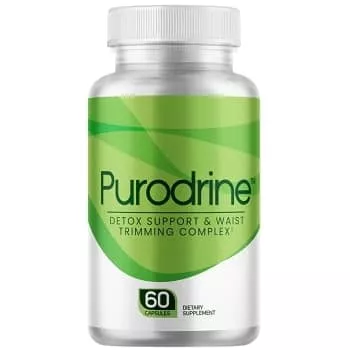
If you’ve been hunting for a weight-loss aid that promises to make the scale move, tighten your midsection and give your energy a wake-up call, Purodrine may have popped onto your radar. This review breaks down what Purodrine claims to do, what’s inside the capsule, who might benefit and — most importantly — how realistic those promises are. I wrote this as a genuine, user review to help you decide whether Purodrine is worth a try.
Table of Contents
Quick snapshot: What is Purodrine?
Purodrine is a dietary supplement marketed toward people who want to support weight loss, boost metabolism and “optimize detoxification.” The formula centers around multiple types of dietary fiber (the product materials claim it combines ten clinically researched fibers) alongside other botanicals that the manufacturer says support digestion, appetite control and toxin binding. Packaging and product copy emphasize Mediterranean sourcing, concentrated extracts and manufacturing in a GMP facility.
Why fiber matters
Fiber is a well-established nutrient when it comes to appetite control, gut health and steadying blood sugar — all factors that can help with managing weight over time. Many public health experts recommend getting an adequate daily fiber intake to support digestion and satiety. Purodrine leans on that science in its messaging and even quotes a finding about aiming for about 30 grams of fiber daily as a simple, effective step for weight management. (As with any claim, it’s smart to check the primary study or guidance directly if you want the original source.)
The product positions itself as a “shortcut” for people who struggle to hit that fiber target through food alone by delivering a concentrated, multi-fiber formula in capsule form.
Key benefits Purodrine claims to deliver
According to the product information, users can expect the following — phrased here as claims the manufacturer makes rather than guaranteed results:
- Support for weight loss and reduction of stubborn fat, particularly around the waist
- Appetite suppression and fewer cravings
- Improved digestion and “detoxification” support
- Increased energy and metabolic activity (a higher resting metabolic rate claimed)
- Higher nutritional density through concentrated, purified extracts
Those are compelling benefits — and they’re the exact reasons many people look to fiber-based supplements. Below I break down the ingredients to give you a sense of what’s doing the heavy lifting.
What’s inside: ingredient breakdown (and what each one does)
Purodrine lists a number of botanicals and fibers. Here’s a plain-language look at the most important ones and why they might matter:
Glucomannan
A soluble fiber derived from konjac root. It’s well-studied for promoting feelings of fullness, which can help reduce calorie intake when used alongside a calorie-controlled diet.
Ispaghula (Psyllium husk)
Another soluble fiber that soaks up water and expands in the gut, helping to curb appetite and support regular bowel movements.
Bentonite
A clay often marketed for binding toxins. It’s used in some detox formulations, though clinical evidence for systemic “detox” in healthy people is limited.
Alasi (Flaxseed)
Provides fiber and plant-based omega-3s. Flax can help digestion, and the omega fatty acids support general health.
Alu Bukhara (likely dried plum/prune extract)
Prunes are known to support bowel regularity and supply fiber and micronutrients.
Kumari (Aloe vera or similar — product copy calls out antioxidant and immune support)
Aloe and related botanicals are sometimes included for soothing digestion and antioxidant effects.
Plus the product claims a combination of additional fibers and botanical extracts formulated in concentrated (e.g., 10:1) extracts for “bioavailability.”
The science: what to realistically expect
There’s nothing magical about a single pill that instantly melts fat. That said, the components Purodrine uses — especially glucomannan and psyllium — have clinical evidence showing they can reduce appetite, improve satiety and support weight loss as part of a calorie-controlled plan. If you’re already struggling to eat enough fiber, adding a targeted, multi-fiber supplement can make sticking to a calorie target easier and reduce snacking.
Important caveats:
- Results vary widely between individuals. Genetics, activity level, diet quality and sleep matter just as much (if not more) than any supplement.
- “Detox” is a marketing term used by many brands; your liver and kidneys do most “detoxing.” Fiber supports gut clearance and binding of some compounds, but it’s not a medical detox.
- If you have medical conditions (e.g., diabetes, IBS, swallowing difficulties) or take medication, check with your healthcare provider. Some fibers can affect medication absorption or worsen certain digestive conditions.
Manufacturing & quality — what the label says
Purodrine emphasizes that it’s manufactured in a GMP-certified, FDA-registered facility and that advanced chromatography and microbiology tests are used. Those quality-control claims are reassuring when they’re accurate — GMP certification suggests basic manufacturing standards are met. Still, independent third-party testing (e.g., USP, NSF) is the gold standard for verifying purity and potency. If third-party certificates are available on the product page, they’re worth checking before you buy.
Who is Purodrine best for?
Purodrine is most likely to help:
- People who want an easy way to increase daily fiber intake without dramatically changing meal routines.
- Those who struggle with evening snacking or constant small cravings and want extra satiety support.
- Individuals looking for a “support” supplement while they follow a healthier eating plan and an exercise routine.
It’s less likely to help:
- Anyone expecting fast, dramatic weight loss without dietary changes and exercise.
- People with certain digestive conditions where high-fiber supplements can cause discomfort (e.g., severe IBS, recent GI surgery) — consult your doctor first.
How to use Purodrine (recommended approach)
Follow the label instructions — typically that means taking the recommended dose with plenty of water. When you increase fiber, do it gradually and stay well hydrated to reduce the risk of bloating or constipation. Pairing a fiber supplement with balanced meals and a sensible calorie goal gives you the best chance of seeing measurable results.
Safety, side effects and interactions
Common, mild side effects with fiber supplements include gas, bloating and changes in bowel movements as your gut adapts. Serious issues are rare but can occur if supplements are taken with inadequate water or in very high doses. Because some fibers can slow the absorption of certain medications, if you take prescription drugs, time your supplements away from medication dosing or consult your healthcare provider.
If you’re pregnant, nursing or have a chronic condition, speak to your clinician before starting Purodrine or any new supplement. Also note: dietary supplements are not evaluated by regulatory authorities in the same way as medicines; the manufacturer’s claims don’t constitute medical proof.
Pros and cons
Pros:
- Multi-fiber formula targets satiety and digestion
- Uses clinically researched fibers like glucomannan and psyllium
- Claims GMP manufacturing and concentrated extracts
- Easy to add to daily routine
Cons:
- “Detox” and extreme fat-loss promises are marketing-forward and should be taken cautiously
- Individual results will vary — not a guaranteed solution
- Independent third-party lab results aren’t always provided on product pages
Final verdict — is Purodrine worth trying?
If you’re serious about losing weight, the best long-term strategy is a sustainable calorie deficit, regular movement, good sleep and stress management. That said, Purodrine looks positioned to be a valuable support for that journey — particularly if you struggle to meet daily fiber targets or suffer frequent cravings. The inclusion of clinically studied fibers (like glucomannan and psyllium) is meaningful and aligns with what science shows can support appetite control.
I’ll be clear: this isn’t a magic pill. But if you pair Purodrine with healthy eating habits and consistency, it could make the process easier and help you see progress faster than diet changes alone. Always start with the label guidance, hydrate and consult your doctor if you have concerns.
Where to go from here
If you’re ready to try Purodrine, look for:
- Clear product labeling and ingredient lists
- Information about dose and recommended use
- Any available third-party test results or batch certificates
- A trustworthy retailer or the official product site (look for a solid returns/refund policy)
If you want a supplement that prioritizes clinically studied fiber sources to help curb appetite and support digestion, Purodrine is a candidate worth considering — especially as a complement to a sensible weight-loss plan.
[…] hunting for a metabolism-supporting supplement that promises to help stubborn fat and support a healthier metabolic rate, you’ve probably seen Volca Burn popping up in ads and marketplaces lately. I spent time digging […]