

If you’ve landed here, you’re probably looking for a clear, research-aware review of ProMind Complex — the supplement a lot of people are talking about for memory, focus and everyday mental sharpness. In this review I’ll break down what’s in ProMind Complex, what the science really says about those ingredients, who might benefit and what safety considerations to keep in mind — all written to help you decide whether it fits your goals.
Table of Contents
What is ProMind Complex?
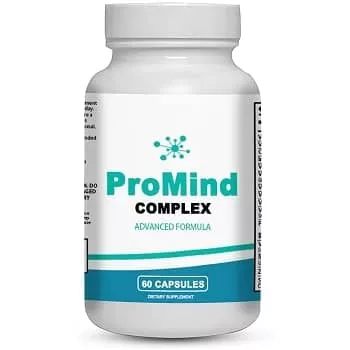
ProMind Complex is a dietary supplement marketed to support memory, attention and overall cognitive function. According to the manufacturer, the formula combines a range of botanicals and neuro-supportive nutrients — including Huperzine A, Ginkgo biloba, Bacopa monnieri, Vinpocetine, St. John’s Wort and a few others — blended to target multiple pathways linked to learning and recall.
Why this multi-ingredient approach matters
Memory is not a single switch you turn on — it’s an orchestra of processes: attention, encoding, consolidation, retrieval, blood flow and cellular health. A well-crafted supplement for general cognitive support usually mixes ingredients that:
- Support neurotransmitter systems (e.g., cholinergic pathways),
- Offer antioxidant or anti-inflammatory protection,
- Improve cerebral blood flow, and
- Promote healthy synaptic plasticity.
ProMind Complex’s blend is clearly designed with this multi-pathway idea in mind (hence the combination of herbs and targeted extracts).
Key ingredients — what the evidence says
Below I highlight several of the formula’s headline ingredients and summarize the evidence you should consider.
Huperzine A — a potent cholinesterase inhibitor
Huperzine A is derived from a Chinese club moss and has been studied for cognitive effects, particularly in age-related cognitive decline. Several controlled trials and animal studies indicate Huperzine A can improve memory performance and cholinergic function; it’s even used as a prescription drug for Alzheimer’s in some countries. The evidence is promising but most trials involve older populations or clinical conditions and optimal dosing/duration still varies between studies.
Bacopa monnieri — traditional herb with modern support
Bacopa (also called Brahmi) has a relatively robust clinical literature showing improvements in verbal learning, memory acquisition and delayed recall, especially after chronic dosing (generally 8–12 weeks). It’s one of the ingredients with consistent human-study support for cognitive benefits.
Ginkgo biloba — mixed but potentially helpful
Ginkgo has long been studied for memory and circulation. Meta-analyses show mixed findings: some benefits in cognitive function and neuroprotection in specific groups, but not a cure-all. If you’re sensitive to circulation or taking blood thinners, talk to your doctor because Ginkgo can affect bleeding risk.
Vinpocetine — blood flow & a safety caveat
Vinpocetine is a synthetic derivative of vincamine (from the periwinkle plant) that has been used to enhance cerebral blood flow. While some studies report cognitive and circulation benefits. If Vinpocetine is part of the product you’re considering, this is an ingredient to discuss with your physician.
St. John’s Wort — mood support with many interactions
St. John’s Wort is sometimes included in cognitive stacks because mood and memory are tightly linked; improved mood can indirectly improve concentration and memory performance. However, St. John’s Wort interacts with many medications (including antidepressants, birth control, blood thinners and more) and can reduce the effectiveness of some prescription drugs.
Realistic expectations — what ProMind Complex can (and can’t) do
Let’s be honest: no reputable supplement will “restore your memory to that of a child” overnight. What a blend like ProMind Complex aims for is modest, meaningful improvements in day-to-day memory, focus and mental clarity — particularly for people with mild forgetfulness, busy professionals, students or older adults without advanced neurodegenerative disease.
The ingredients above have human data supporting benefits (especially Bacopa and Huperzine A), while others may help through improved blood flow or mood. Results typically build over weeks; some herbs (e.g., Bacopa) show effects after consistent use for 8–12 weeks.
Safety & who should be cautious
Because ProMind Complex contains active botanicals:
- Talk to your healthcare provider if you’re on prescription medications (especially blood thinners, antidepressants, hormonal birth control or anticoagulants). St. John’s Wort and Ginkgo have notable interactions.
- Women who are pregnant or may become pregnant should avoid vinpocetine-containing supplements unless cleared by a doctor — the FDA has issued warnings about reproductive risks.
- Expect mild side effects in some people — gastrointestinal upset, headaches or sleep disturbances are the most commonly reported. If any adverse reaction appears, discontinue use and consult a clinician.
How I would use ProMind Complex (if I were testing it personally)
I prefer a conservative, measured approach: try a single supplement for a defined test period while tracking outcomes.
- I’d use it for at least 8–12 weeks (so Bacopa and some adaptogens have time to act).
- Pair it with basic, high-impact lifestyle changes: hydration, sleep hygiene and deliberate study/recall strategies. (Small things like staying hydrated and sleeping well dramatically affect memory.) Hydration differences as small as ~2% body mass loss have been associated with impairments in attention and short-term memory, so don’t neglect water and sleep.
- Keep a simple log (sleep, subjective focus, any side effects). That keeps expectations realistic and provides data you can act on.
Pros & Cons
Pros:
- Multi-ingredient formula that targets several memory-related pathways.
- Contains ingredients with human evidence (Bacopa, Huperzine A).
- Crafted for daily use and mental support.
Cons:
- Some ingredients (Vinpocetine, St. John’s Wort) carry safety or interaction concerns for specific populations.
- Supplements vary by batch and brand; choose third-party tested products where possible. (I advise checking manufacturing standards.)
Who should consider buying ProMind Complex?
You might consider ProMind Complex if:
- You have mild, everyday memory lapses and want a non-prescription option to try alongside proven lifestyle changes.
- You appreciate multi-target approaches (neurochemistry + circulation + adaptogens).
- You’re willing to commit to an 8–12 week trial and monitor effects.
Avoid it if:
- You’re pregnant, nursing or trying to conceive (particularly if the product contains vinpocetine).
- You’re on medications that interact with St. John’s Wort, Ginkgo or similar botanicals — check with your physician first.
Final verdict
I’m cautiously optimistic about ProMind Complex as a supportive supplement rather than a miracle cure. The product contains several ingredients with real human research behind them (notably Bacopa and Huperzine A) and the multi-pronged formula makes conceptual sense for supporting memory and focus. That said, safety considerations — especially around vinpocetine and St. John’s Wort — mean this is one you should choose thoughtfully.
If you decide to try it, approach it like an experiment: set a timeframe (8–12 weeks), track sleep, hydration and focus, and re-assess. Combined with good sleep, hydration, stress management and deliberate recall practice, a supplement like ProMind Complex may help you get a little more mileage out of your memory each day.
FAQ
How long until I notice results?
Some people report small changes in alertness quickly, but evidence-backed ingredients like Bacopa commonly require 6–12 weeks of daily use for measurable memory improvements.
Are there drug interactions?
Yes — especially with St. John’s Wort and Ginkgo. If you’re on prescription meds, check with your clinician.
Is this safe for older adults?
Many ingredients were studied in older adults with mild cognitive complaints, but individual medical history and medication lists matter — consult a physician.
Bottom line
ProMind Complex is worth considering if you want a thoughtfully blended, research-informed supplement to complement lifestyle strategies for memory and focus. It’s not a shortcut — but used responsibly and patiently, it can be a useful part of a broader cognitive health plan.
[…] for cognitive support, Bacopa is frequently included in modern supplements for its reputation in supporting memory and learning. Many buyers look for Bacopa as a core nootropic […]