

If you’ve been hunting for a natural memory support supplement that feels both modern and rooted in traditional botanicals, NeuroPrime may have landed on your radar. It’s a compact, plant-based tincture that promises to help support memory function using a blend of nine botanicals — everything from bacopa and ginkgo to lion’s mane and chlorella. I spent time with the product description, dug into what each ingredient is known for and put together this review to help you decide whether NeuroPrime is worth trying.
Below you’ll find an easy-to-read breakdown: what NeuroPrime contains, how it’s used, what the evidence says about the ingredients, who might benefit, the pros and cons, and a clear verdict. The goal is to help you feel informed and confident if you decide to click-through and buy.
Table of Contents
What is NeuroPrime?
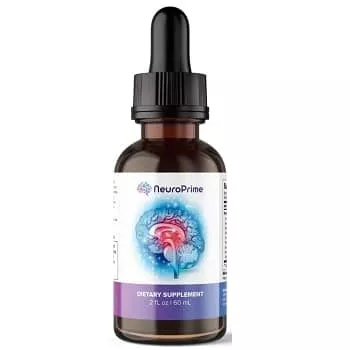
NeuroPrime is a liquid, drop-style supplement marketed as a natural memory support formula. Key product claims and positioning:
- 9 plant-based ingredients (Moringa, Pine Bark Extract, Ginkgo Biloba, Tamarind, Lion’s Mane, Chlorella, Bacopa monnieri, Spirulina, Neem).
- Plant-based, non-GMO, no stimulants.
- Simple dosing: one drop per day (can be taken straight or mixed into a beverage).
- Emphasis on “hard to source” botanicals and purity testing.
The presentation is minimalist and clearly aimed at people who prefer a single, daily natural tincture over pills or complicated stacks.
How to take NeuroPrime
One drop per day — that’s it. The brand recommends morning use, either directly or mixed into coffee/tea/juice. A liquid formulation like this is convenient for people who don’t like swallowing pills or want to mix a scoop into a drink. Important: always shake the bottle well as the label suggests and if you take medications or have health conditions, show the bottle to your doctor first (especially because some botanicals can interact with medications).
Ingredient deep dive — What’s inside and what the research says
NeuroPrime packs a familiar cognitive-support lineup. Below I summarize each main ingredient and the level of human evidence where available. Most botanicals show potential support for memory or cognition, but none are miracle cures. Where clinical work exists, it’s often small, mixed or requires more research.
Bacopa monnieri
A staple in traditional Ayurvedic nootropics. Several randomized, placebo-controlled trials and reviews suggest Bacopa can improve certain aspects of memory and learning when taken consistently over weeks to months. Effects are generally modest and slow to appear (many trials use 8–12 weeks).
Ginkgo biloba
One of the most studied herbal extracts for cognition. Research shows mixed results: some studies indicate benefit for memory and circulation in older adults, while others find no clear effect in healthy populations. Ginkgo can interact with blood thinners and may increase bleeding risk for some people, so medical advice is important if you take anticoagulants.
Pine Bark Extract (Pycnogenol®)
Pine bark extract has polyphenols that have been researched for antioxidant and circulation benefits. Some clinical trials report improvements in attention and cognitive function after weeks of supplementation, though larger studies are still needed.
Lion’s Mane Mushroom (Hericium erinaceus)
Lion’s mane has gained popularity for potential nerve-supporting and mood benefits. Small human studies suggest possible improvements in cognitive function and mood in certain groups, but the evidence is preliminary and larger, higher-quality trials are ongoing.
Moringa, Tamarind, Neem, Spirulina, Chlorella
These nutrient-dense plants and algae are often included for antioxidant, anti-inflammatory and general health support. While some lab and animal studies point to neuroprotective and antioxidant properties, human cognitive evidence is limited. They’re valuable as part of a nutrient-rich formula, but expect supportive—not dramatic—effects.
Why the blend matters (and why synergy is often touted)
NeuroPrime’s approach is “broad and botanical.” Instead of a single high-dose extract, it uses a blend of herbs and algae that purportedly work together to:
- Provide antioxidant support (helps protect brain cells from oxidative stress).
- Support healthy blood flow and circulation (important for nutrient delivery to the brain).
- Deliver plant compounds that may support neurotransmitter systems and neurotrophic factors over time.
This isn’t a fast stimulant — it’s designed as a daily, maintenance-style supplement. If you’re looking for immediate alertness, this likely won’t behave like caffeine. If you want a gentle, plant-forward memory support option, the blend is sensible.
Pros & Cons
Pros
- Convenient once-a-day drop format (easy for pill-averse users).
- Broad botanical mix that targets multiple mechanisms (antioxidant, circulation, neurotrophic support).
- Plant-based, non-GMO, no stimulants — good for those avoiding caffeine or synthetic additives.
- Includes well-researched herbs like bacopa, ginkgo and lion’s mane which have clinical interest.
Cons / Things to watch
- Research on many ingredients is promising but not definitive.
- Ginkgo and some botanicals can interact with medications (notably blood thinners). If you take medications, consult a healthcare provider.
- Tincture dosing (“one drop”) makes it hard to compare exact dosages of each botanical versus standardized clinical trials. If you like to match trial doses, this format can be less transparent.
Who is NeuroPrime best for?
NeuroPrime is well suited for:
- Health-minded adults looking for a gentle, plant-based memory support option.
- People who dislike swallowing pills and prefer liquid drops.
- Those after a daily maintenance supplement that complements a healthy lifestyle (sleep, exercise, diet).
It’s less ideal for:
- People expecting quick, stimulant-style focus from day one.
- Individuals on blood thinners or certain prescription medications without doctor clearance.
Realistic expectations — What you’ll likely notice and when
With plant-based cognitive supplements that include bacopa and similar herbs, users commonly report subtle improvements in clarity, recall and consistency of focus after several weeks to a few months. NeuroPrime is marketed as a once-daily maintenance product — give it consistent use and watch for small, cumulative benefits rather than immediate spikes.
Safety & interactions
Natural doesn’t automatically mean safe for everyone. Botanicals like ginkgo can interact with anticoagulants; some mushroom extracts (including lion’s mane) can cause digestive upset or rare allergic reactions. If you’re pregnant, nursing, on medication or have a chronic condition, consult a healthcare professional before starting NeuroPrime. Also ask the brand about third-party testing if purity is a key concern for you.
FAQs
How long until I see effects?
Expect weeks to months for subtle memory/supportive benefits, especially from herbs like bacopa.
Can I take it with coffee?
Yes — the brand recommends you can mix a drop into your beverage. Avoid combining with stimulant stacks if you’re sensitive.
Is NeuroPrime vegan/plant-based?
Yes — ingredients and marketing indicate it’s plant-based and non-GMO.
Final verdict — Should you try NeuroPrime?
If you’re searching for a natural, low-hassle memory support product and prefer drops to pills, NeuroPrime is a compelling option. Its ingredient list includes several botanicals with real clinical interest (bacopa, ginkgo, pycnogenol, lion’s mane) and the formula is geared toward long-term, maintenance-style support rather than instant stimulation.
That said, be realistic: expect gradual, modest improvements and talk to a medical professional if you take blood thinners or other prescription drugs. If you appreciate natural, science-inspired blends and want an easy daily routine, NeuroPrime is worth trying — especially if you like the idea of a single-drop ritual each morning.
Quick buying nudge (if you’re ready)
If that aligns with what you’re looking for — a gentle, plant-based daily memory support — NeuroPrime could be a smart addition to your routine. For best results, pair it with quality sleep, a balanced diet and regular exercise — the same healthy habits that make any supplement more effective.