

If you’ve been hunting for a simple, science-aligned supplement to help keep your memory sharp, you’ve probably seen dozens of formulas promising everything from instant recall to “brain-boosting” clarity. Enter Memory Fuel: a focused daily powder that combines a short list of well-known nutrients with an easy once-daily serving. In this Memory Fuel review I’ll walk you through what Memory Fuel contains, why those ingredients matter for everyday memory and cognitive resilience, how to use it, who should consider it and what to expect.
This Memory Fuel review is written to help you decide whether Memory Fuel belongs in your daily routine — written in plain language, with the product’s official details in mind. Let’s dig in.
Table of Contents
Quick verdict — who Memory Fuel is best for
If you want a single, daily, easy-to-mix supplement that targets memory support and general brain health without a laundry list of exotic extracts, Memory Fuel is designed for you. It’s especially relevant for:
- Busy professionals who need sharper recall and mental stamina.
- Students looking for foundational nutritional support during study periods.
- Active older adults who want to be proactive about brain health.
- Anyone who prefers a short ingredient list with familiar, well-tolerated compounds.
Memory Fuel isn’t marketed as a magic cure. Instead, it’s positioned as a convenient, research-friendly stack of nutrients that may help support memory function and contribute to overall brain health when used as part of a healthy lifestyle.
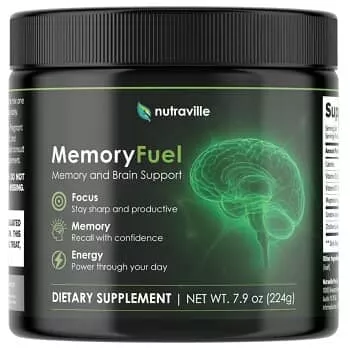
What’s inside Memory Fuel — ingredient breakdown
Memory Fuel keeps the formula compact and focused. Here’s the ingredient list and a plain-language look at what each component does:
Vitamin D3 (as cholecalciferol)
Vitamin D is known primarily for bone health, but it also plays a role in overall brain function. Because many people are low in vitamin D, supplementing can fill a common nutritional gap.
Vitamin B12 (as methylcobalamin)
B12 is central to nerve health and energy metabolism. The methylcobalamin form is a bioavailable version often chosen in cognitive support products.
Magnesium (as magnesium glycinate)
Magnesium supports nervous system function and can help with sleep and stress resilience — all important for memory consolidation.
Creatine (as creatine monohydrate)
Creatine isn’t just for athletes. It’s a cellular energy substrate that can help fuel brain cells during demanding cognitive tasks.
Choline (as dl-choline bitartrate)
Choline is a precursor to acetylcholine, a neurotransmitter involved in memory and learning. Many people don’t get enough choline in their diets, so a supplemental source can be useful.
These are familiar, well-studied nutrients used in cognitive-support supplements. Memory Fuel’s approach is to combine them in one daily scoop, rather than layering dozens of herbal extracts or stimulants. That simplicity is its strength: fewer interactions, predictable dosing and an easier experience for everyday use.
Why this combination makes sense for memory support
Memory isn’t a single, isolated process — it relies on energy, neurotransmitters, sleep and cellular health. Memory Fuel addresses a few of these pillars:
- Cellular energy (creatine + magnesium): Creatine helps supply rapid energy to cells; magnesium is necessary for many enzymatic processes. Together, they help ensure neurons have the fuel they need during mentally demanding tasks.
- Neurotransmitter support (choline + B12): Choline supplies building blocks for acetylcholine. Vitamin B12 supports nerve integrity and methylation pathways that influence neurotransmitter production.
- Systemic support (Vitamin D3): Vitamin D contributes to general health and helps maintain the environment in which cognitive processes run smoothly.
By addressing energy, neurotransmitter building blocks and nutritional gaps, Memory Fuel aims to be a balanced daily support for memory and general brain health — a practical alternative to stimulant-based “focus” products.
How to take it — simple, daily, no drama
Memory Fuel recommends mixing one (1) scoop daily with 6–8 oz of water. That’s it.
- One daily scoop keeps dosing convenient and consistent.
- Mixing with water is fast and portable — good for mornings, pre-study sessions or before a big meeting.
- Because it’s a powder, it’s easy to add to smoothies if you prefer.
The recommended use aligns with a low-friction, sustainable routine — and consistency is one of the biggest factors for any supplement to work as intended.
Safety and suitability — what to check before buying
Memory Fuel makers explicitly advise checking with your doctor if you have medical conditions or take prescription medications. That’s responsible and standard for dietary supplements.
A few practical safety notes:
- Allergies & sensitivities: The ingredient list is short and composed of nutrients that most people tolerate well. Still, check the product label for any allergens or manufacturing notes.
- Drug interactions: If you take medications (especially those affecting blood sugar, blood pressure, or neurological function), consult your healthcare provider.
- Pregnancy & breastfeeding: Nutritional needs and safety profiles change during pregnancy and breastfeeding. Ask a clinician before starting any new supplement.
The product description also says ingredients are tested for purity and contaminants. While that’s reassuring, if you’re making a long-term purchase, look for third-party testing or batch certificates when available.
Realistic expectations — what Memory Fuel can and can’t do
No single supplement will replace sleep, exercise, a nutritious diet or mental training. Memory Fuel is positioned as a supportive product — part of a broader cognitive-care strategy.
What Memory Fuel may help with:
- Improvements in everyday recall and alertness when used consistently.
- Filling common nutritional gaps that can undermine cognitive performance (e.g., vitamin D, B12, choline).
- Providing a straightforward, low-side-effect option for people who prefer nutrient-based support over stimulant-heavy formulas.
What Memory Fuel won’t do:
- It won’t produce instant, dramatic changes in memory overnight.
- It’s not a treatment for diagnosable cognitive disorders.
- It’s not a replacement for physician-prescribed therapies when those are needed.
If you view Memory Fuel as a consistent, evidence-aware supplement — not a miracle cure — you’ll have realistic expectations and gauge results more fairly.
Who should consider Memory Fuel?
Memory Fuel is suitable for a broad audience, particularly:
- People with busy mental workloads who want reliable daily support.
- Those who have dietary gaps (vegetarians/vegans often need B12; many adults are low in vitamin D).
- Older adults taking a preventative approach to cognitive aging.
- Students and lifelong learners looking for a non-stimulant memory aid.
It’s less suitable for anyone seeking short-term stimulant-driven focus (think caffeine-like effects) or for those who need targeted clinical interventions for diagnosed cognitive conditions.
Mixing Memory Fuel into your life — practical tips
- Take the scoop at the same time every day to track effects clearly — morning with breakfast is a popular choice.
- If you’re adding it to a smoothie, account for the extra liquid so the mix isn’t too thick.
- Keep a short journal for the first 30–60 days noting memory-related changes (ease of recall, focus during tasks, sleep quality). Small, consistent gains are what you’re likely to notice.
Remember: supplements work best when your overall lifestyle supports cognitive health — sleep, hydration, balanced meals, regular exercise and stress management are crucial.
Packaging and user experience
Memory Fuel’s format — a single daily scoop of powder — makes it easy to integrate into a daily routine. Powdered supplements often taste neutral or lightly flavored (product packaging should indicate flavor). The convenience factor is high: no swallowing a handful of pills, no complicated dosing schedule.
For many buyers, that ease of use is the difference between trying a supplement for a week and actually using it consistently for months — and consistency is how you measure true value.
Pricing perspective — value vs. results
When evaluating any supplement, think in terms of value-per-day. Memory Fuel’s compact ingredient list and once-daily serving can make it cost-effective compared to multi-capsule stacks or formulas that require multiple doses per day.
If you find subtle improvements in recall, clarity or your ability to power through information-dense tasks, a modest daily cost for a convenient pack can be a worthwhile investment in cognitive maintenance.
Pros and cons
Pros:
- Focused, short ingredient list — fewer unknowns and interactions.
- Once-daily scoop — convenient and easy to remember.
- Ingredients chosen for foundational memory support and cellular energy.
- No stimulant-heavy additives — a steady, non-jittery approach.
Cons
- Not a dramatic or immediate “fix” — best for consistent long-term use.
- Powder format may not suit everyone’s taste preferences (but can be mixed into smoothies).
- Always check with your doctor if you have health conditions or take medications.
Final thoughts — is Memory Fuel worth it?
If you want a no-nonsense, streamlined approach to memory support — one that focuses on well-known, foundational nutrients rather than flashy compounds — Memory Fuel is a strong option. Its formulation addresses energy supply, neurotransmitter precursors and common nutritional gaps that can undermine everyday memory performance.
This isn’t a short-term gimmick. It’s a pragmatic supplement for people who believe small, consistent improvements compound into meaningful changes in daily cognitive function. If you value convenience, sensible ingredient choices and a product designed to be used consistently, Memory Fuel is worth trying.
How to decide next steps
- Review your current supplements and diet to spot overlaps (especially for vitamin D, B12 and magnesium).
- If in doubt, share the Memory Fuel label with your healthcare provider to confirm compatibility with any medications or conditions.
- Try one monthly supply and track simple metrics — clarity during work, recall on names/appointments, and energy during mentally demanding tasks. Many users find a month is enough time to evaluate whether the supplement fits their routine.
Memory Fuel takes a refreshing, composed approach to cognitive support: a short, purposeful ingredient list in a single daily scoop designed around real-life convenience. For anyone serious about giving their memory consistent, everyday nutritional support — without stimulants or complicated dosing — it’s a product that earns a close look.
If you’re ready to support your memory with a practical, evidence-aware formula, Memory Fuel makes a strong case as a daily supplement to consider.
Frequently asked practical questions
How long before I notice effects?
Individual responses vary. Some users report subtle improvements in weeks; more consistent effects typically show after 4–8 weeks of daily use.
Can I stack Memory Fuel with other supplements?
Because Memory Fuel contains common nutrients, stacking should be approached carefully to avoid excessive doses of the same vitamins/minerals. Consult a healthcare professional if you plan to combine it with other supplements.
Is Memory Fuel stimulant-free?
Yes — its ingredient list is built around nutrients, not stimulants.