

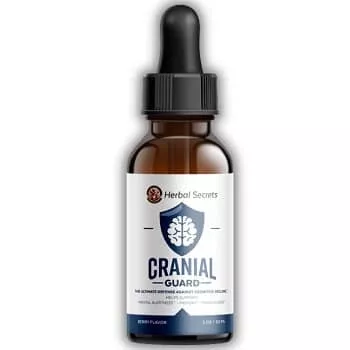
If you’ve been hunting for a natural way to sharpen memory, lift the fog and protect long-term cognitive health, you’ve likely come across dozens of nootropics and brain supplements. Cranial Guard positions itself as a comprehensive, clinically-minded formula built to support memory, boost focus and defend the brain against age-related decline — all without stimulants or crashy energy spikes. I spent time studying the formula, ingredient by ingredient and in this review I’ll break down what Cranial Guard is, how it works, who it’s best for and why it could be worth adding to your daily routine.
Table of Contents
Quick verdict: Cranial Guard is a thoughtfully designed, multi-pathway brain formula that pairs traditional botanicals with modern nutrients. For people seeking stimulant-free cognitive support — students, busy professionals and older adults — it’s a compelling option.
What is Cranial Guard?
Cranial Guard is a natural brain-support supplement formulated to improve cognitive performance and protect neural health. The product combines memory-enhancing botanicals, circulation-promoting extracts, neurotrophic mushrooms, essential fatty acids, adaptogens and a B vitamin complex. The company markets it as a “complete neural defense system” that addresses multiple drivers of cognitive decline: poor blood flow, neurotransmitter imbalances, oxidative stress and neuroinflammation.
The brand emphasizes sustained mental energy without stimulants, making Cranial Guard suitable for users who want cognitive lift without jittery side effects.
Who is Cranial Guard for?
Cranial Guard is positioned for a broad audience:
- Entrepreneurs and professionals who need sustained focus during long workdays.
- Students preparing for exams and intense study sessions.
- Seniors interested in long-term cognitive maintenance and memory support.
- Anyone dealing with occasional brain fog, mental fatigue or declines in processing speed.
If you’re looking for a stimulant-based boost (think caffeine or prescription stimulants), this isn’t the product for you. Cranial Guard is built for steady cognitive support and resilience rather than rapid, short-lived stimulation.
How Cranial Guard Works — The 4-Step Approach
Cranial Guard uses a multi-pathway strategy, addressing different but complementary aspects of brain function:
- Improve Blood Flow — Ingredients that support circulation help deliver oxygen and nutrients to neurons, which is essential for clear thinking and quick recall.
- Boost Neurotransmitters — Compounds that support acetylcholine and dopamine pathways aim to sharpen attention and memory encoding.
- Combat Oxidative Stress — Antioxidants neutralize free radicals that can damage brain cells over time.
- Reduce Neuroinflammation — Anti-inflammatory botanicals and nutrients protect neurons from chronic inflammatory damage linked to aging and cognitive decline.
By targeting these four areas simultaneously, Cranial Guard aims to offer both short-term cognitive improvements and long-term neuroprotection.
Ingredient Breakdown — What’s Inside (and Why It Matters)
Each ingredient in Cranial Guard has a specific role. Below I summarize the active components and what they contribute.
Bacopa Monnieri — 300 mg
Traditionally used in Ayurvedic medicine, Bacopa is included to support memory retention and learning speed. Research suggests Bacopa can help with recall and cognitive processing, particularly when taken consistently.
Ginkgo Biloba — 120 mg
Ginkgo is widely used to improve cerebral circulation. Better blood flow supports sharper thinking and can reduce symptoms of mental fatigue. It’s a typical choice for formulas aimed at clarity and alertness.
Lion’s Mane Mushroom — 500 mg
Lion’s Mane has been studied for its potential to support nerve growth factor (NGF) and neurogenesis. It’s an increasingly popular ingredient for those focused on cognitive repair and long-term brain health.
Omega-3 DHA — 200 mg
DHA is a core structural fat for neuronal membranes. Adequate DHA supports signaling between neurons and contributes to overall brain health and cognitive function.
Rhodiola Rosea — 250 mg
An adaptogen that helps the body handle stress, Rhodiola can reduce mental fatigue and improve resilience under pressure. Great for people who need sustained mental stamina during demanding days.
Vitamin B Complex
B vitamins support energy metabolism and neurotransmitter synthesis — both essential for sustained cognitive performance. This helps convert food into usable energy and supports pathways involved in attention and mood.
What to Expect: Realistic Results & Timeline
One of the strengths of Cranial Guard is that it covers both short-term and long-term needs:
- Short term (days to 2 weeks): Many users report a reduction in brain fog, smoother focus and more consistent mental energy within days to a couple of weeks. Ingredients like Rhodiola and ginkgo can contribute to these early effects.
- Medium term (3–8 weeks): Improvements in memory recall, processing speed and learning retention often become more noticeable as botanicals like Bacopa and Lion’s Mane build up in the system.
- Long term (3+ months): Neuroprotective benefits — driven by antioxidants, DHA and nerve-supporting ingredients — are cumulative. If your goal is to bolster resilience against age-related decline, consistent use over months is the evidence-backed approach.
Safety & Side Effects — What You Should Know
Cranial Guard focuses on natural, clinically-researched ingredients and avoids stimulants. That said, a few common-sense precautions apply:
- Interactions: If you’re on prescription medications (especially blood thinners or MAO inhibitors), consult a healthcare professional before starting any new supplement, because ingredients like ginkgo can interact with certain drugs.
- Pregnancy & Nursing: If you’re pregnant or breastfeeding, check with your doctor first.
- Sensitivity: While most people tolerate these ingredients well, Bacopa and Rhodiola can cause mild digestive upset or changes in sleep patterns in some users. Start with the recommended dose and monitor how you feel.
- Allergies: If you have known allergies to mushrooms, fish (for DHA) or specific botanicals, read the label carefully.
A short disclaimer in your routine — “If in doubt, consult a physician” — goes a long way toward safe supplementation.
Why Cranial Guard Stands Out
There are thousands of brain supplements on the market, but Cranial Guard differentiates itself in several ways:
- Multi-pathway formulation: Instead of a single-target approach, Cranial Guard addresses blood flow, neurotransmitters, oxidative stress and inflammation — a holistic approach more consistent with how cognition actually works.
- No stimulants: For people who get anxious or crash after caffeine, the stimulant-free profile is a major advantage.
- Clinically-minded dosages: The formula uses doses of familiar, research-backed ingredients (Bacopa, Lion’s Mane, Ginkgo) rather than micro-dosing everything.
- Balanced daily support: With B vitamins and DHA included, Cranial Guard fills in more nutritional gaps than many single-ingredient nootropics.
These factors make it a solid choice for someone seeking dependable, all-around cognitive support.
Real-World Use Cases — Who Will Notice Benefits Fastest?
- High-stakes professionals: Entrepreneurs and executives juggling complex tasks may notice improved concentration and fewer “scatter-brained” moments.
- Students & lifelong learners: The blend supports learning speed and retention — ideal during study cycles or exam prep.
- Older adults: Those concerned about memory maintenance and long-term brain health will appreciate the formula’s neuroprotective focus.
- Creative workers & knowledge workers: If your job relies on mental clarity and idea flow, the combination of ingredients targets precisely those demands.
Final Thoughts — Is Cranial Guard Worth Trying?
If you want an evidence-minded, stimulant-free brain supplement that targets multiple drivers of cognitive performance and resilience, Cranial Guard is worth considering. The formulation is comprehensive and built around ingredients with a track record in cognitive research. It’s not a miracle cure, but it’s a sensible, daily support supplement that can complement good sleep, exercise and a brain-friendly diet.
If you’re ready to try a balanced nootropic that prioritizes long-term neural health over quick highs, Cranial Guard is a strong contender.
Ready to sharpen your focus and support long-term cognitive health? Consider trying Cranial Guard as part of a consistent brain-care routine — and remember: supplements work best alongside good sleep, regular exercise and thoughtful nutrition.
[…] Peppermint oil delivers a bright, cooling top note. Beyond its flavor, peppermint is often associated with alertness and a quick sensory lift—ideal for a product that aims to sharpen focus. […]