

When shopping for a brain-health supplement, you want clarity: ingredients that make sense, dosage that’s simple and claims that are realistic. Cognitive Fuel positions itself as a focused, no-nonsense product designed to “help support memory function and may contribute to brain health.” In this review I’ll walk through what’s inside the formula, how those ingredients work together, who stands to benefit and whether Cognitive Fuel deserves a place in your daily routine.
Table of Contents
Quick verdict
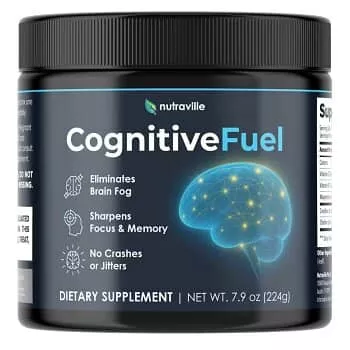
Cognitive Fuel is a streamlined supplement built around a short list of well-studied nutrients—Vitamin D3, Vitamin B12 (methylcobalamin), magnesium glycinate, creatine monohydrate and choline (dl-choline bitartrate). If your goal is to support memory function and overall cognitive resilience with a single, easy-to-take daily scoop, Cognitive Fuel delivers a focused formula without unnecessary extras. It’s particularly suited for adults who want a foundation-level cognitive support product that complements diet and lifestyle.
Why a focused formula matters
The supplement market is crowded with products that combine dozens of herbs, extracts and exotic compounds. That can make it hard to know what’s actually contributing to results. Cognitive Fuel takes a different route: it concentrates on a handful of ingredients that each have a plausible biological role in brain health and memory. That simplicity has two practical advantages:
- Transparency — fewer ingredients means it’s easier to understand what you’re taking and why.
- Synergy — carefully chosen vitamins and compounds can support overlapping pathways (neurotransmitter synthesis, cellular energy, nutrient support) without redundancy.
The ingredients — what they do and why they matter
Below is a concise breakdown of the active components listed on the label and how each may contribute to memory support and brain health.
Vitamin D3 (as cholecalciferol)
Vitamin D receptors exist throughout the brain. Adequate vitamin D status supports general neurological function and immune regulation. While it’s not a “memory pill,” maintaining healthy vitamin D levels is a sensible part of a brain-health plan, especially in people who get limited sun exposure.
Vitamin B12 (as methylcobalamin)
B12 is essential for nervous system maintenance and for methylation pathways that support neurotransmitter balance. Methylcobalamin is a bioavailable form of B12 commonly used in neurosupportive supplements. Adequate B12 is important for concentration and cognitive clarity—particularly in older adults or people with dietary restrictions.
Magnesium (as magnesium glycinate)
Magnesium participates in hundreds of enzymatic reactions and plays a role in neuronal stability and sleep quality. Magnesium glycinate is selected for its gentleness on the stomach and good absorption characteristics, making it a logical inclusion for daily cognitive support.
Creatine (as creatine monohydrate)
Creatine is widely known in sports nutrition, but it also supports cellular energy in the brain. By helping maintain ATP levels under demanding conditions, creatine can support cognitive tasks that require sustained mental energy.
Choline (as dl-choline bitartrate)
Choline is a precursor to acetylcholine, a key neurotransmitter involved in learning and memory. Supplementing choline can support acetylcholine production and help maintain healthy signaling in memory-related circuits.
How Cognitive Fuel is intended to be used
The recommended use is straightforward: mix one (1) scoop daily with 6–8 oz of water. That convenience supports adherence—people are more likely to stick with a regimen that’s simple and fast. The product copy also emphasizes testing for purity and contaminants, which is an important consideration when assessing supplement quality. Always follow label directions and consult a healthcare professional if you have existing medical conditions or are taking prescription medications.
Who should consider Cognitive Fuel?
Cognitive Fuel is best suited to several common user profiles:
- Busy professionals and students who want reliable, baseline cognitive support without stimulants.
- Middle-aged adults who are proactive about maintaining memory and brain resilience.
- People with dietary gaps (e.g., those who don’t consume animal products regularly and may need B12).
- Anyone looking for a simple daily supplement as a complement to good sleep, exercise and nutrition.
It is not marketed as a replacement for clinical treatment of memory disorders. If you have diagnosed cognitive impairment, neurodegenerative disease or take prescription drugs, discuss Cognitive Fuel with your physician before starting.
Quality and safety notes
Cognitive Fuel’s product description emphasizes ingredient purity and testing for contaminants. That’s sensible: third-party testing and certificate-of-analysis (COA) transparency are key indicators of manufacturing quality. If you are evaluating a purchase, check whether the brand publishes COAs or testing information on its website or product page.
Additionally:
- The formula uses bioavailable forms (methylcobalamin, glycinate) that are appropriate for daily supplementation.
- The scoop-and-mix format simplifies dosing, which helps reduce missed days.
- The label recommends consulting a healthcare provider for those with medical conditions or on prescription medications.
What to expect and realistic outcomes
Supplements that “support memory function” are best thought of as steady, incremental contributors—not immediate fixes. With consistent daily use, alongside a balanced diet, quality sleep and mental activity, many users report improved focus, more reliable recall during mentally demanding tasks and a feeling of steadier cognitive energy through the day. Results depend on baseline nutrition, lifestyle and individual physiology—so patience and a holistic approach matter.
Comparing Cognitive Fuel to other options
Compared with multi-ingredient “kitchen-sink” nootropics, Cognitive Fuel’s simplicity is an advantage: fewer variables, cleaner ingredient list and a focus on nutrients with established roles in brain function. If you’re looking for stimulant-based short-term focus (e.g., caffeine), this isn’t that product. If your preference is for subtle, sustainable support that can be taken daily long-term, Cognitive Fuel fits that use case.
Practical tips for getting the most from Cognitive Fuel
- Use consistently. Brain-supportive nutrients usually show benefits over weeks rather than hours.
- Pair with lifestyle measures. Cognitive Fuel is complementary to sleep hygiene, regular exercise and a nutrient-dense diet.
- Monitor your baseline. If you have concerns about B12 or vitamin D status, consider testing and tracking levels with your healthcare provider.
- Start at recommended dose. One scoop daily is a simple regimen that minimizes the risk of taking unnecessary amounts of nutrients.
Accountability: what the label does and does not promise
Cognitive Fuel’s language—“helps support memory function and may contribute to brain health”—is deliberately conservative and appropriate for a dietary supplement. That phrasing avoids clinical treatment claims while conveying a clear consumer benefit. As with all supplements, it complements rather than replaces core health behaviors and medical care when needed.
Purchasing considerations
When choosing Cognitive Fuel, look for the following on the product page or retailer listing:
- Clear ingredient labels with forms and amounts.
- Information on third-party testing or purity checks.
- Transparent shipping and return policies.
- Verified customer service contact and responsive support.
These practical details reduce friction in the buying process and increase confidence in the purchase.
Final thoughts: who should buy Cognitive Fuel?
If you want a compact, thoughtfully composed supplement to support memory and maintain daily cognitive energy, Cognitive Fuel is a credible option. Its focus on established nutrients—Vitamin D3, methylcobalamin (B12), magnesium glycinate, creatine monohydrate and choline—creates a balanced profile that supports neurotransmitter synthesis, cellular energy and nutrient sufficiency. For professionals, students and anyone building a long-term brain-health routine, Cognitive Fuel offers convenience and sensible formulation.
Consider Cognitive Fuel if your priority is consistent, daily support from a product that avoids hype and redundant ingredients. Combined with healthy lifestyle choices, Cognitive Fuel can be a practical addition to your cognitive wellness toolkit.
Ready to try Cognitive Fuel? If you want straightforward, daily support for memory function without fuss, Cognitive Fuel’s single-scoop regimen makes it easy to add to your morning routine. Always review product details before purchasing.
[…] is a cognitive support supplement formulated to help maintain memory, focus and mental energy using clinically studied ingredients. […]
[…] Fuel is a dietary supplement formulated with a focused selection of nutrients associated with cognitive support. Its manufacturers emphasize a “closely guarded formula” and a simple dosing protocol: mix one […]
[…] one of the most popular nootropic mushrooms. Research and user reports highlight its potential to support brain health, cognitive clarity and nerve-supporting pathways. For anyone focusing on mental sharpness and […]
[…] purpose: Support memory, recall, focus and sustained mental […]