
If you’re shopping for a probiotic or a gut-focused weight loss supplement, you’ve probably seen a lot of loud promises. Biome positions itself differently: it leans on probiotic research and a patented green-tea extract (Greenselect® Phytosome) to “repopulate” the gut with so-called lean bacteria and in turn, help curb hunger, dial down cravings and support fat loss. In this review I’ll walk through what Biome contains, what the science actually says, who it might help and whether it’s worth trying — written from the perspective of a real user review aimed to help you decide.
Table of Contents
First impressions: what is Biome?
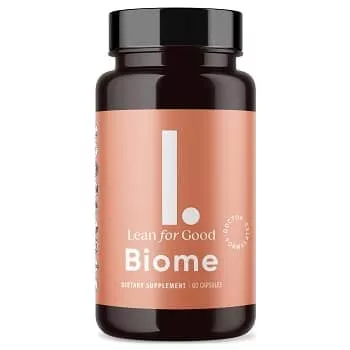
Biome is a daily probiotic supplement that combines nine clinically-researched probiotic strains (the product calls them “lean bacteria”) with Greenselect® Phytosome, a caffeine-free, phytosome-formulated green tea extract. The official website highlights three well-known probiotic strains — Lactobacillus gasseri, Lactobacillus rhamnosus and Lactobacillus fermentum — and claims the product is delivered in delayed-release DRcaps to protect organisms from stomach acid. It’s vegan-friendly and marketed as free from common allergens and GMOs.
Why a gut-first approach? The basic science
Research across human and animal studies has shown clear associations between the composition of the gut microbiome and body composition. Early twin and population studies found that lean and obese individuals often have different gut microbial communities — suggesting the microbiome can influence energy balance and fat storage. This is a fast-moving area of science, but the link between certain probiotic strains and shorter-term changes in body fat has been shown in randomized trials.
What makes Biome interesting is, it packages strains that have been tested in human clinical trials alongside a specialized green-tea extract that has its own trial data. Below I summarize the most relevant human clinical work that matches the product’s claims.
The key studies behind the headline claims
Lactobacillus gasseri — abdominal fat reduction
One well-cited randomized, double-blind trial had 210 adults consume fermented milk containing Lactobacillus gasseri SBT2055 daily for 12 weeks. The study reported significant reductions in abdominal adiposity (including visceral fat) compared with controls. This trial is often cited by brands that sell L. gasseri blends.
Lactobacillus rhamnosus — weight loss in women
A randomized trial using Lactobacillus rhamnosus CGMCC1.3724 showed that women taking the probiotic experienced greater weight loss and better maintenance versus placebo in a controlled setting. The benefit appeared more pronounced in women than men in that study.
Lactobacillus fermentum — body fat reduction
Trials that included Lactobacillus fermentum (often combined with other strains) have reported favorable effects on body adiposity and changes to gut flora versus placebo in short-term studies. These are smaller studies but support the idea that specific probiotic strains can influence fat mass.
Greenselect® Phytosome — green tea, but more absorbable
Greenselect Phytosome is a lecithin-complexed, caffeine-free green tea catechin extract. Published trials suggest it can enhance weight loss when added to a calorie-controlled program — one controlled study reported larger average weight loss over 90 days for the Greenselect group vs. diet alone. (As with most herbal adjuncts, effects are bigger when combined with diet changes.)
How Biome claims to work (in plain language)
Biome’s pitch is simple: if certain bacterial species promote less hunger, fewer cravings and lower fat storage, then delivering those species to your gut should shift the microbiome away from the “fat-favoring” pattern and toward a “lean” pattern. Pairing probiotics with inulin (a prebiotic fiber that feeds good bacteria) and a bioavailable green-tea extract is intended to (1) help the good bacteria survive and colonize and (2) provide a metabolic nudge via catechins.
That mechanism is plausible and consistent with how many probiotic + prebiotic + polyphenol strategies work — but remember: supplements are supportive, not magic. Human trials show measurable effects for specific strains, but individual responses vary.
What I liked about Biome
- Research-driven ingredient choices. The product highlights strains that actually appear in human randomized trials (e.g., L. gasseri, L. rhamnosus). That’s better than unsupported “probiotic cocktails” that list generics without clinical backing.
- Greenselect Phytosome is a thoughtful add-on. Using a formulated green tea extract can amplify metabolic support — especially when paired with a modest calorie plan.
- Delayed-release caps and prebiotic inclusion. DRcaps-style delayed release and inulin help more bacteria reach the intestines alive and get fed, which matters for real-world performance.
- Allergen-friendly formulation. Vegan, gluten-free and free of major allergens — helpful for many buyers.
Limitations & realistic expectations
- Not a substitute for diet and exercise. Trials that show the biggest losses often used supplements alongside calorie control. Expect modest, incremental results if you don’t pair Biome with healthier eating and movement.
- Results vary by person and strain dose. Clinical trials use specific strains, doses and delivery formats — a supplement’s results depend on matching those conditions. The official website claims nine strains, but you’ll want to check the label for exact species and colony counts per dose.
- Some studies are small or short. While there are positive RCTs, not every probiotic strain has large long-term trials proving sustained weight loss. Treat Biome as a promising tool, not an instant fix.
Who should consider Biome?
- People who’ve tried traditional calorie plans and want an evidence-based probiotic as a supporting strategy.
- Those who tolerate capsules and prefer plant-based, allergen-friendly products.
- Buyers who expect modest, progressive changes in appetite, cravings and belly fat when combined with diet and activity.
If you have significant medical conditions (diabetes, autoimmune disease), are pregnant, breastfeeding or on immunosuppressants, check with your healthcare provider before starting any probiotic or herbal supplement.
How to use Biome (advertised directions)
The label recommends two capsules daily with a sip of water, preferably in the morning before breakfast. Many clinical trials showing benefits lasted 8–12 weeks, so expect to give the product at least a couple months to evaluate results. Always follow the product label.
Pros & Cons
Pros
- Targets strains that have shown weight-related benefits in human RCTs.
- Includes Greenselect® Phytosome, which has clinical data as an adjunct to diet.
- Vegan, allergen-friendly and uses delayed-release capsules for survivability.
Cons
- No supplement guarantees results for everyone — expect individualized effects.
- Look closely at colony counts and strain IDs on the label to match published trial conditions.
Final verdict — worth trying?
If you’re the type of buyer who wants a science-led supplement with strains that have real human data behind them, Biome is a credible option. It brings together probiotic strains with supportive prebiotic fiber and a bioavailable green-tea extract — an evidence-based combination seen in published clinical work. That doesn’t mean it will be a slam-dunk for every shopper, but if you pair Biome with a sensible diet and activity plan, it may help accelerate appetite control and reductions in abdominal fat for some people.
As always, buying from the official site or authorized retailers ensures product authenticity.
Quick takeaways
- Biome uses clinically studied strains like L. gasseri and L. rhamnosus that have shown abdominal fat and weight benefits in controlled trials.
- The addition of Greenselect® Phytosome provides extra metabolic support seen in adjunct trials.
- Expect modest, individual results. Combine Biome with a healthy diet and exercise for best odds.