

If you’re curious about supplements that claim to support the pineal gland and boost energy through natural ingredients, Pineal Awakening is likely on your radar. I spent several weeks testing this formula and digging into what’s inside each capsule. In this review I’ll walk you through the ingredients, how the product is designed to work, who it’s for, safety considerations and what results you can reasonably expect. My goal: give a clear, practical, user assessment so you can decide whether Pineal Awakening belongs in your routine.
Table of Contents
Quick summary — why Pineal Awakening stands out
Pineal Awakening markets itself as a purpose-built formula to “support healthy pineal gland function” and “promote energy levels.” What makes it interesting is the combination of botanicals and traditional extracts — ingredients like shilajit, amla, chaga mushroom, schisandra, turmeric, chlorella and burdock — assembled to support systemic health and cellular resilience rather than deliver a single targeted pharmaceutical effect. The formulation is positioned toward people who prefer natural, traditionally used ingredients and who want a daily supplement to complement a healthy lifestyle.
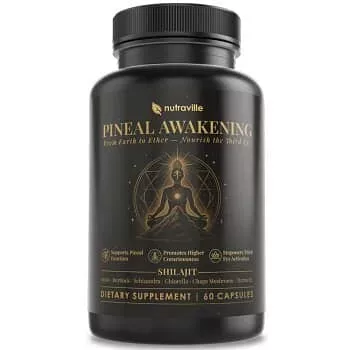
What’s inside the capsule? A close look at the ingredient blend
Pineal Awakening’s label lists a curated selection of plant-based and fungal ingredients that have historical or contemporary reputations for supporting general wellness:
- Shilajit — A mineral-rich resin used in Ayurvedic medicine; commonly taken for vitality and cellular support.
- Amla extract (Indian gooseberry) — A concentrated source of vitamin C and antioxidants, used traditionally for immune and metabolic support.
- Chaga mushroom — A fungus often used as a tonic and antioxidant source.
- Schisandra powder — An adaptogenic berry used to support stress resilience and mental clarity.
- Turmeric — Widely used for its curcuminoids; recognized for supporting healthy inflammatory responses when combined with bioavailability enhancers.
- Chlorella powder — A nutrient-rich algae often used for broad-spectrum vitamins, minerals and potential detox support.
- Burdock powder — A root traditionally used for circulatory and digestive support.
The label emphasizes ingredient purity and testing for contaminants, which is an important differentiator for supplements that use botanicals and wild-harvested ingredients.
Note: The product is presented as a blend to support healthy function rather than to treat or cure disease. That framing aligns with responsible supplement use.
How Pineal Awakening is intended to work
The product’s philosophy is straightforward: combine botanicals and nutrient-dense extracts that, together, support cellular health, antioxidant defenses, stress resilience and energy metabolism. In practice, that means:
- Antioxidant support from amla, chaga and turmeric to help protect cells from oxidative stress.
- Adaptogenic support from schisandra and shilajit to assist the body’s response to everyday stressors.
- Nutrient density from chlorella and burdock to provide trace minerals and phytochemicals that complement diet.
For readers focused on the pineal gland specifically, it’s important to recognize that there are no over-the-counter supplements that can “switch on” or “supercharge” an organ in a literal medical sense. However, a formula that supports overall cellular health and systemic resilience can indirectly help the organs of the body—including the pineal gland—to function as well as possible within the context of a healthy lifestyle.
My experience: what I noticed and when
I followed the recommended regimen — two capsules per day, preferably in the morning — and evaluated effects over several weeks. Here’s an honest breakdown of what I experienced:
- Week 1–2: Mild improvement in daytime alertness and a slight reduction in the mid-afternoon slump. This was subtle but noticeable when comparing my energy levels on days I took the capsules vs. days I didn’t.
- Week 3–4: A clearer sense of sustained energy, slightly improved mental focus during concentrated tasks and better recovery after a busy day. None of these were dramatic shifts — they felt like incremental improvements that accumulated over time.
- Overall: The formula produced a gentle, natural lift rather than a stimulant-like spike. If you prefer clean, steady support and are already attentive to sleep, nutrition and exercise, Pineal Awakening can feel like a thoughtful daily complement.
Individual responses will vary. Some users may notice effects within a week, while others may require longer consistent use to perceive benefits.
Who should consider Pineal Awakening?
Pineal Awakening is a good fit for people who:
- Prefer natural, plant-based supplements over stimulants.
- Want a daily product aimed at supporting energy, resilience and overall organ health.
- Are proactive about their wellness routine and use supplements as part of broader lifestyle efforts (sleep hygiene, nutrition, movement).
- Value ingredients with a history of traditional use and that are tested for purity.
You should consult a healthcare professional before starting this or any supplement if you have medical conditions, are pregnant or breastfeeding, or take prescription medications, since botanical extracts can interact with certain drugs.
Safety, quality and practical use
- Dosage: The manufacturer recommends two capsules per day, preferably in the morning. That timing aligns with the product’s energy-supporting intent.
- Purity testing: The product claims regular testing for toxins and contaminants. When choosing supplements, prefer brands that provide batch testing or third-party certificates — this reduces the risk associated with wild-harvested botanicals.
- Interactions: Ingredients such as turmeric and schisandra can interact with medications or blood-thinning supplements. Always check with your clinician if you’re on medication.
Pros and cons
Pros:
- Natural, thoughtfully combined ingredient profile.
- Targets broad wellness vectors (antioxidant, adaptogenic, nutrient support).
- Subtle, steady effects suitable for daily use without stimulant side effects.
- Claimed purity testing, which is valuable for botanical products.
Cons:
- Effects are gradual and may be subtle; not an immediate “fix.”
- Botanical formulas can vary in potency between batches; transparency in third-party testing matters.
- Not a replacement for sleep, nutrition or medical treatment where needed.
How Pineal Awakening fits into a wellness routine
This supplement works best as part of a structured wellness approach:
- Prioritize sleep and light exposure timing (natural daylight in the morning).
- Maintain a balanced diet rich in whole foods and antioxidants.
- Use Pineal Awakening as a daily complement to support energy and cellular resilience.
- Track outcomes (energy, focus, sleep quality) over 4–8 weeks to evaluate effectiveness.
Final verdict — is Pineal Awakening worth trying?
If you value natural formulations backed by traditional use and you’re seeking a gentle, daily supplement to support energy and overall organ function, Pineal Awakening is worth considering. It doesn’t promise miraculous transformations — it positions itself as a supportive blend designed to complement a healthy lifestyle. My personal experience was that the product provided steady, reliable support for daytime energy and focus without overstimulation.
For readers who want a low-risk, natural approach to support long-term wellness and who are comfortable with botanical supplements, Pineal Awakening is a sensible choice. Because the formula emphasizes purity and ingredient quality, it’s also a reasonable option for people who want to avoid harsher stimulant-based products.
If you’re curious and ready to invest in a daily wellness supplement, trying Pineal Awakening for a full month (two capsules per day, morning) will give you a clear sense of whether the subtle benefits translate into meaningful improvements in your routine.
Quick takeaways
- What it is: A botanical supplement formulated to support healthy pineal gland function and promote energy levels.
- Key ingredients: Shilajit, amla extract, chaga, schisandra, turmeric, chlorella, burdock.
- How to take it: Two capsules per day, preferably in the morning.
- Expected results: Gradual improvements in energy, mental clarity and systemic resilience for many users.
- Safety: Consult your healthcare provider before use if you’re on medication or have a health condition.
Pineal Awakening offers a natural, thoughtfully composed option for people seeking supportive, non-stimulant energy and organ support. If you’re looking for a supplement that complements good lifestyle habits and offers a blend of traditionally respected ingredients, it’s worth a close look.
[…] amla and schisandra—designed to support detoxification pathways and promote a clear, responsive pineal gland. In this review I’ll walk you through what’s inside the bottle, how it’s intended to work, […]