

If you’ve been hunting for a simple, daily supplement that targets the pineal gland while supporting overall energy and wellness, Pineal Guard is one of the newer products popping up in the wellness space. I spent time reading the label, ingredient by ingredient and testing the messaging to see who this product might actually suit. Below is a clear, user review that walks through what Pineal Guard is, what’s inside, how to use it and whether it’s worth trying — written to help you decide (and easy to skim if you’re comparing options).
Table of Contents
Quick verdict
Pineal Guard is a liquid, drop-form supplement built around nine natural ingredients (pine bark extract, tamarind, chlorella, ginkgo biloba, spirulina, lion’s mane, bacopa monnieri, moringa and neem). It’s marketed to “support healthy pineal gland function” and to boost energy levels. If you want a low-dose, easy-to-take daily product with a blend of antioxidant-rich plants and no pills to swallow, Pineal Guard is worth considering — especially if you already appreciate the individual botanicals listed.
What is Pineal Guard?
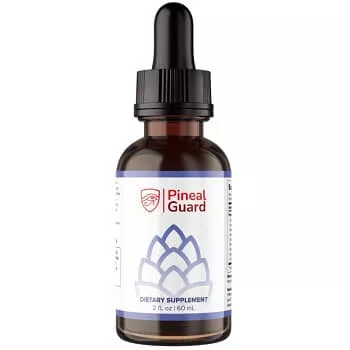
Pineal Guard is a liquid dietary supplement designed to be taken as one drop per day. The manufacturer positions it as a targeted formula for the pineal gland — the tiny endocrine organ in the brain associated with sleep/wake regulation — while also claiming broader support for energy and general organ health. Its main appeal is convenience (one drop) and a combination of botanicals and algae that are popular in the natural-health world.
Ingredient breakdown — what’s actually inside?
Below I summarize each ingredient and what it commonly contributes in supplement formulations. I’ve stuck to cautious language — think of these as what each component is commonly used for rather than medical promises.
Pine Bark Extract
Often standardized for antioxidants (e.g., proanthocyanidins), pine bark extract is commonly included to support circulation and oxidative-stress defense. Antioxidants can be a useful part of a general wellness routine.
Tamarind
Tamarind contributes natural flavonoids and a pleasant tart taste. It’s also a source of plant-based antioxidants and can help the formula feel less “herbal” when taken in a beverage.
Chlorella
A nutrient-dense algae, chlorella is known for vitamins, minerals and chlorophyll. It’s included in many supplements for nutrient support and general detox-style programs.
Ginkgo Biloba
Long used in herbal traditions, ginkgo is frequently included for cognitive support and circulation. Many people take it when they want to support focus and mental alertness.
Spirulina
Another algae powerhouse, spirulina brings protein, B vitamins and trace minerals. It’s a common “green” ingredient for overall vitality and micronutrient coverage.
Lion’s Mane Mushroom
Lion’s mane is popular in nootropic and brain-health circles. People use it to support mental clarity and a calm, focused state of mind.
Bacopa monnieri
Bacopa is an herb traditionally used in Ayurvedic medicine for memory and cognitive performance. It’s often paired with lion’s mane or ginkgo in brain-focused blends.
Moringa
Moringa leaf is nutrient dense — vitamin A, C, calcium and iron — and frequently used to round out the micronutrient profile of plant-based formulas.
Neem
Neem is included in many traditional herbal systems for its broad botanical properties. In modern supplements it’s often used at gentle levels as a complementary botanical.
Takeaway: The ingredient list reads like a sensible botanical + algae blend aimed at cognitive and energy support. The combination of antioxidant-rich extracts, algae for micronutrients and nootropic herbs indicates Pineal Guard is positioned toward users who prioritize brain and energy wellness.
How to use Pineal Guard
The recommended use is simple: one drop per day, preferably in the morning. You can take the drop directly or add it to tea, coffee, juice or another beverage. The brand also emphasizes shaking the bottle before use to ensure the ingredients are well blended.
This low-dose, single-drop approach is a clear convenience play — perfect if you dislike swallowing capsules or prefer to mix supplements into a morning drink.
Who should try Pineal Guard?
Pineal Guard may be a good fit if you:
- Prefer liquid supplements and hassle-free dosing (one drop).
- Like plant-based and algae ingredients (spirulina, chlorella, moringa).
- Are looking for gentle cognitive and energy support without stimulants.
- Want a streamlined daily ritual hat’s easy to add to coffee/tea.
Avoid or consult a healthcare provider before trying if you:
- Are pregnant or breastfeeding.
- Have an autoimmune condition or are on blood-thinning medication (some botanicals can interact).
- Are taking prescription drugs.
Pros and cons
Pros:
- Convenient: one drop per day is simple to remember.
- Botanical + algae blend: covers multiple wellness angles (antioxidants, nutrients, nootropic herbs).
- Easy to mix into drinks — no swallowing pills.
- Formulated for daily, long-term use (per label claims).
Cons:
- Liquid format: not everyone likes the taste or ritual of drops in drinks.
- As with all supplements, results and experiences vary by individual.
Safety & side effects
Pineal Guard’s ingredients are generally considered safe at typical supplement doses, but individual tolerance varies. The product copy already recommends that anyone with medical conditions or taking medications consult their doctor — that’s sound advice. Watch for potential allergic reactions to botanical components and be cautious if you’re on medication that affects blood clotting or interacts with herbal extracts.
FAQ
How long until I notice an effect?
Results vary. Because Pineal Guard is a low-dose daily formula focused on supportive ingredients, benefits may build gradually over weeks. Some users notice improved morning energy or clarity within days; others need longer.
Can this “activate” the pineal gland?
The brand uses marketing language like “supercharge” — interpret that as promotional. The product is better thought of as a supplement blend designed to support healthy gland function and overall wellness, not a medical treatment.
How should I store it?
Store in a cool, dry place and keep the bottle tightly closed. Shake well before each use, as per label instructions.
Final thoughts — is Pineal Guard worth buying?
If you’re seeking a low-effort, plant-forward supplement to add an extra daily measure of antioxidants, algae nutrition and cognitive-focused botanicals to your routine, Pineal Guard is a compelling option. Its single-drop dose and blend of well-known ingredients make it an easy addition for people who dislike capsules or enjoy mixing supplements into drinks.
That said, don’t expect overnight miracles. The formulation is best regarded as a supportive wellness product — intended to complement a healthy lifestyle, not replace sleep, nutrition or medical treatment. If you appreciate the individual ingredients (lion’s mane, bacopa, ginkgo, spirulina/chlorella) and want a convenient delivery format, Pineal Guard makes sense to try.
Where to buy
If you’re curious and ready to test a new approach to daily wellness, Pineal Guard’s drop format makes it simple to start. Check the official product page for pricing, any bundle discounts and shipping options.
If convenience, plant-based ingredients and a brain-focused formula match what you’re looking for, Pineal Guard could be the small daily habit that fits into your morning routine — one drop at a time.
[…] you’re curious about supplements that claim to support the pineal gland and boost energy through natural ingredients, Pineal Awakening is likely on your radar. I spent […]