

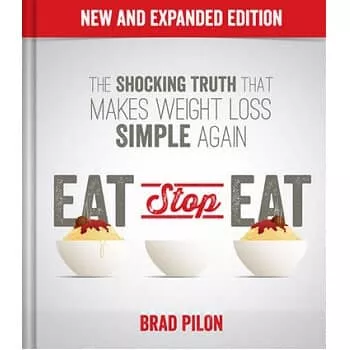
If you’re tired of complicated diets, meal replacements and the constant drumbeat of “eat more to lose weight,” Eat Stop Eat cuts through the noise. This user review examines the core ideas behind Brad Pilon’s Eat Stop Eat Protocol, the science and claimed benefits (from fat loss to improved metabolism and cellular repair) and whether it’s worth trying if you’re looking for a sustainable way to lose weight and feel healthier.
I’ll walk through what the program actually is, how it’s supposed to work in the body, the practical benefits people report, who it suits best and what to watch out for. My aim is to give you a clear review that helps you decide whether Eat Stop Eat fits your goals.
Table of Contents
What is Eat Stop Eat?
Eat Stop Eat is an intermittent fasting protocol developed by Brad Pilon that promotes regular, scheduled fasts to create a sustainable caloric deficit and trigger several beneficial metabolic pathways. Rather than prescribing a strict daily diet, it encourages occasional 24-hour fasts (often once or twice per week) to lower weekly calorie intake while allowing relatively normal eating on non-fasting days.
The idea is elegantly simple: reduce the frequency and duration of eating to let your body switch from storing energy to burning stored fat and activating cellular repair systems. Unlike many fad diets, Eat Stop Eat doesn’t ban foods — it focuses on timing.
How Eat Stop Eat Works: The Science
Eat Stop Eat’s pitch is built around a handful of physiological mechanisms that intermittent fasting influences. Here’s a plain-language summary of the most commonly discussed effects:
1. Growth Hormone (GH) and Fat Release
Proponents say fasting spikes natural growth hormone production, which helps mobilize fat from fat cells and supports lean mass maintenance. The program claims significant GH increases during fasting windows — a factor often cited to explain quicker fat loss.
2. Improved Insulin Sensitivity
When you fast, insulin levels fall. Lower insulin makes stored fat easier to access and helps your body partition nutrients to maintenance and muscle rather than fat storage. Over time, intermittent fasting can improve insulin sensitivity, which supports long-term fat control.
3. Increased Fat Oxidation
Extended periods without food encourage the body to burn fat for fuel. Practitioners report measurable boosts in fat oxidation during fasting windows, which contributes directly to weight loss.
4. Autophagy and Cellular Cleanup
Fasting activates cellular repair processes (often described as autophagy), which help clear damaged proteins and organelles. This “cleanup” is framed as a natural detox mechanism and is linked to better cellular function and longevity.
5. Reduced Chronic Inflammation
Many people using intermittent fasting report lower markers of inflammation. Since chronic inflammation is tied to aging and many metabolic diseases, lowering it is a desirable side effect.
Benefits Reported by Users
When people discuss Eat Stop Eat, several recurring benefits come up:
- Rapid fat loss without starvation: Because fasting reduces weekly calorie intake without daily deprivation, users often see quick changes in body composition.
- Preserved or improved muscle quality: With proper strength training and adequate protein intake on non-fasting days, many users maintain lean mass and sometimes even see improvements in muscle quality.
- Simplicity and freedom: No calorie counting, no food bans and more flexibility around social eating — a big psychological win for many.
- Improved energy and mental clarity: Many followers report better daytime energy, clearer thinking and fewer cravings after the body adapts.
- Potential longevity and health benefits: Through mechanisms like autophagy and reduced inflammation, fasting may support long-term organ health (claims vary and should be interpreted cautiously).
Who Should Try Eat Stop Eat?
Eat Stop Eat is best suited for people who:
- Want a simple, time-based approach to lose weight without daily dieting.
- Prefer flexible eating days and a “less rules, more results” approach.
- Are already exercising or willing to maintain strength training to protect muscle.
- Are not pregnant, breastfeeding or living with certain medical conditions that contraindicate fasting.
If you’re older, have diabetes, take medications influenced by food intake or have a history of eating disorders, check with a healthcare professional before trying Eat Stop Eat. The program’s proponents emphasize that medical clearance is essential when in doubt.
What a Typical Week Looks Like
A common Eat Stop Eat schedule is:
- Eat normally for five to six days a week (focus on quality but not perfection).
- Choose one or two non-consecutive days to fast for approximately 24 hours — for example, from dinner one day to dinner the next.
- On fasting days: drink water, tea and non-caloric beverages; avoid calorie-containing drinks.
- On eating days: follow your preferred diet pattern (many people pair Eat Stop Eat with a lean, nutrient-dense approach).
This weekly rhythm reduces total weekly calories without daily restriction and preserves social flexibility (you can time your fasts around events).
Realistic Results and Timeline
According to those who follow the protocol, you can expect to see early results quickly — many report a measurable difference within 48 hours to a week (mainly from water and glycogen changes at first, then fat loss). Over a month, consistent use typically results in steady weight loss and reduced bloating. Long-term adherence often leads to sustainable weight control and improved metabolic markers.
Keep in mind: individual results vary based on starting body composition, activity level and how you eat on non-fasting days.
Safety, Side Effects and Common Concerns
Eat Stop Eat is generally well-tolerated, but some people experience:
- Initial hunger, irritability or lower energy during adaptation (usually subsides in 1–2 weeks).
- Headaches or light-headedness if hydration and electrolytes are neglected.
- Potential over-eating on non-fasting days (counterproductive if it negates the weekly calorie deficit).
Important safety notes:
- Always consult your healthcare professional before starting an intermittent fasting protocol if you take medications or have chronic health conditions.
- Pregnant or breastfeeding women should avoid extended fasting protocols.
- If you have a past or present eating disorder, intermittent fasting is not recommended.
Why Eat Stop Eat Might Beat Typical Diets
- Less micromanagement: No daily calorie counting or measuring; just scheduled fasts.
- Sustainable for busy lives: People with unpredictable schedules like the flexibility.
- Scientifically plausible benefits: The fasting concept taps into several well-studied metabolic pathways (insulin, GH, autophagy).
- Psychological freedom: Not having a “forbidden foods” list can reduce anxiety and binge cycles for many.
Practical Tips to Succeed With Eat Stop Eat
- Start slowly: try a 12–16 hour fast window first if a full 24 hours feels too strict.
- Pick fasting days you can relax on — avoid heavy physical demands during early adaptation.
- Prioritize protein and resistance training on eating days to protect muscle mass.
- Hydrate and use calorie-free drinks to ease hunger during fasts.
- Track progress with photos, measurements and how clothes fit rather than obsessing over the scale.
Final Verdict — Who Should Buy/Use Eat Stop Eat?
If you’re looking for a weight-loss tool, Eat Stop Eat is attractive because it’s simple, broadly applicable, and taps into mainstream interest in intermittent fasting. For potential buyers who want a low-tech, sustainable approach that doesn’t require special foods or supplements, Eat Stop Eat delivers a compelling promise: fewer rules, better metabolic health and a path to long-term weight control.
It’s not magic — success still depends on sensible food choices on non-fasting days and regular strength training for optimal results — but Eat Stop Eat offers a realistic framework that many find liberating and effective.
Final thoughts
If you’re fed up with fad diets and want a flexible, evidence-minded approach that can be adapted to your life, Eat Stop Eat is worth exploring. It’s built on straightforward fasting principles that many people find easier to sustain than daily calorie restriction.
Curious to learn more or get started? Check the official website to read the full program.
Ready to simplify your weight loss strategy? Eat Stop Eat offers a user-friendly, science-aligned plan that removes the daily dieting grind and replaces it with a manageable schedule and proven metabolic concepts. If consistency and simplicity appeal to you (and they should — they work), this program could be the missing piece to finally reach and maintain your ideal weight.
[…] On Heat may feel like a welcome breath of fresh — and warm — air. Brad Pilon, best known for Eat Stop Eat, has turned his research lens to a surprisingly powerful and underappreciated factor in health: […]